Samuel Pang En 彭恩
Singaporean Pianist, Music Educator-Piano Teacher, Researcher, & Trailblazer
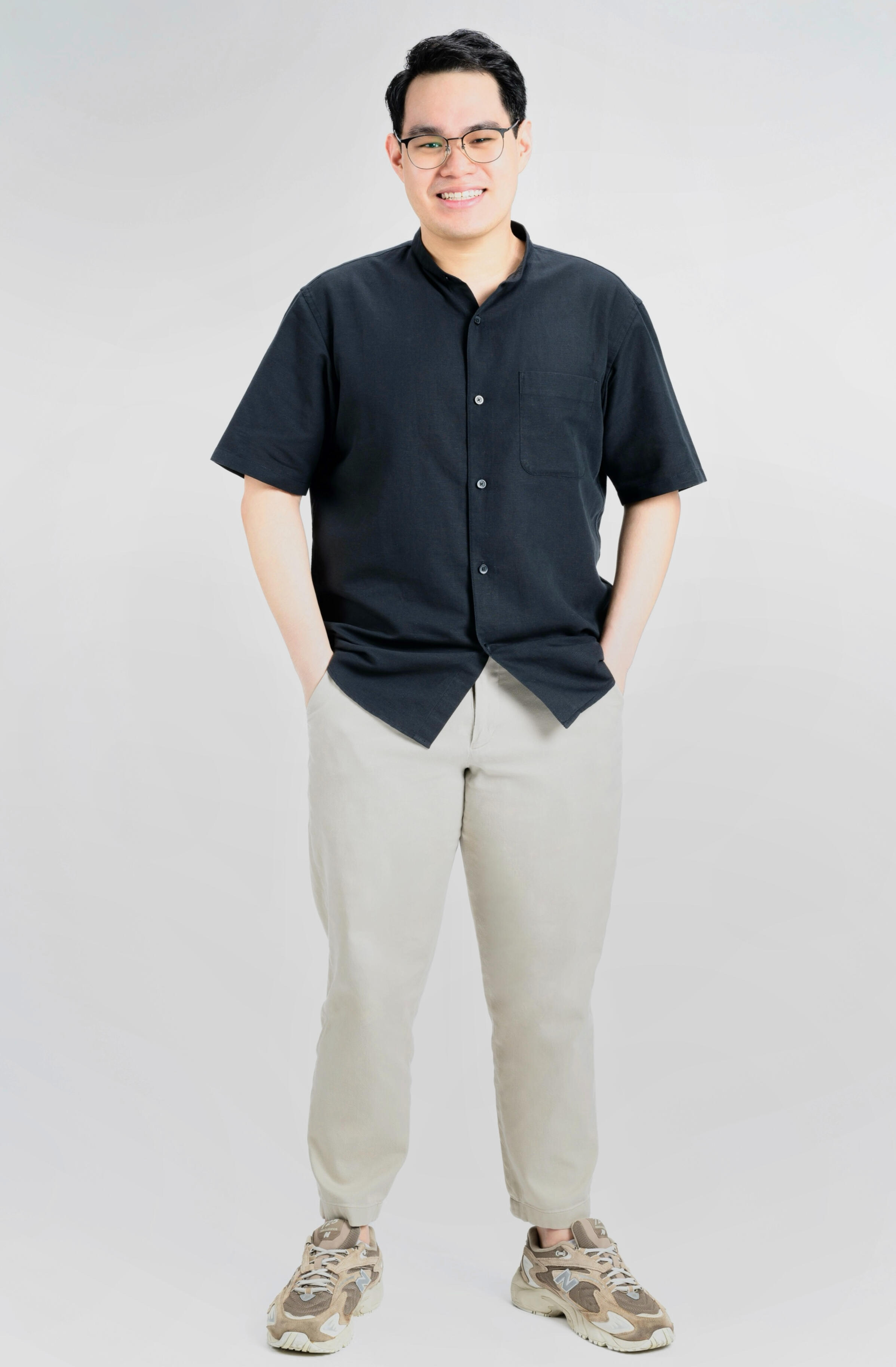
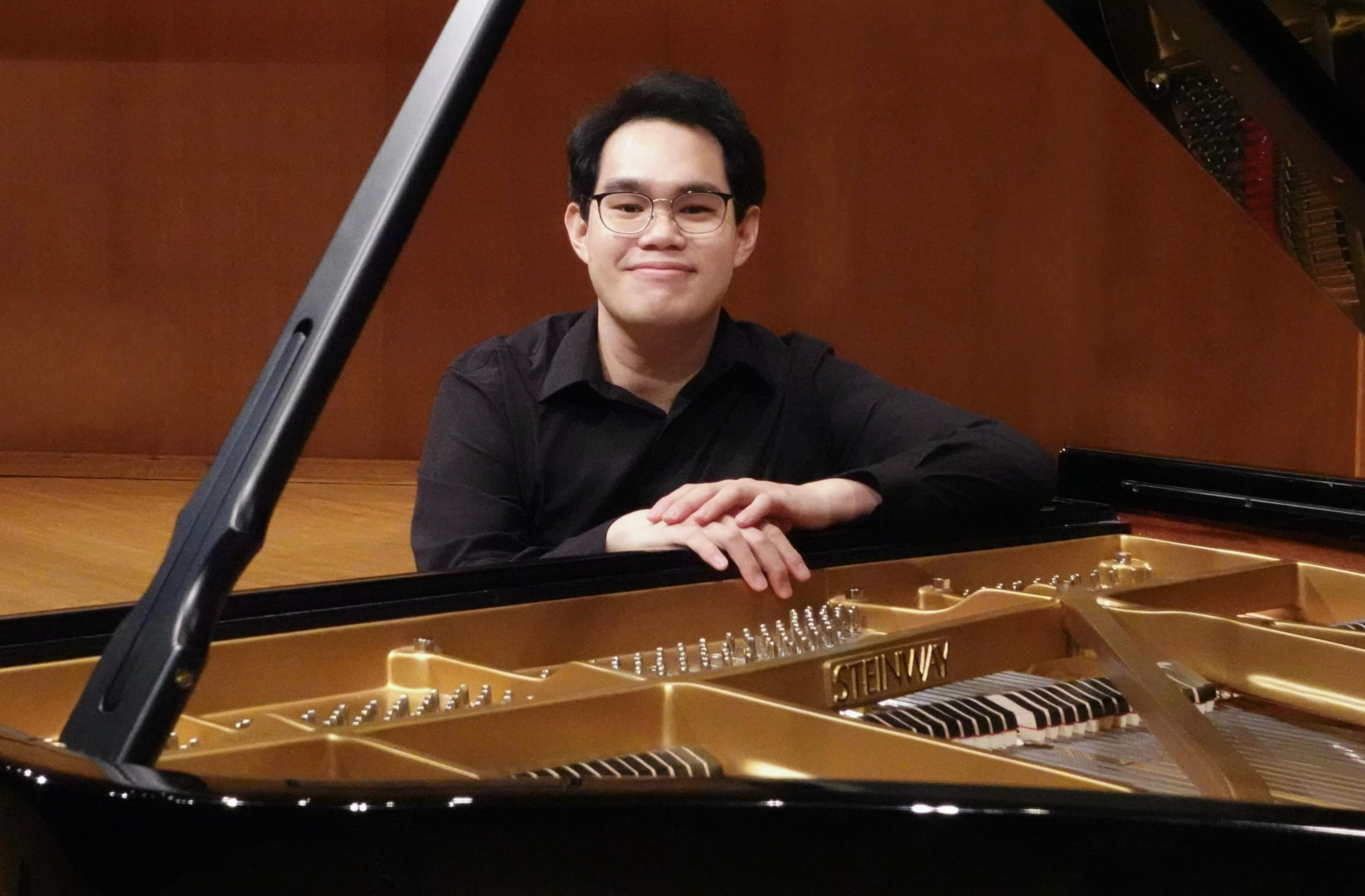
Fueled by his passion for the musical arts, Samuel Pang En 彭恩 persevered through numerous obstacles throughout his piano studies. Now with a purpose-driven career, he aims to impact lives through education and community initiatives to empower individuals; enabling them to thrive and succeed in their musical journey!
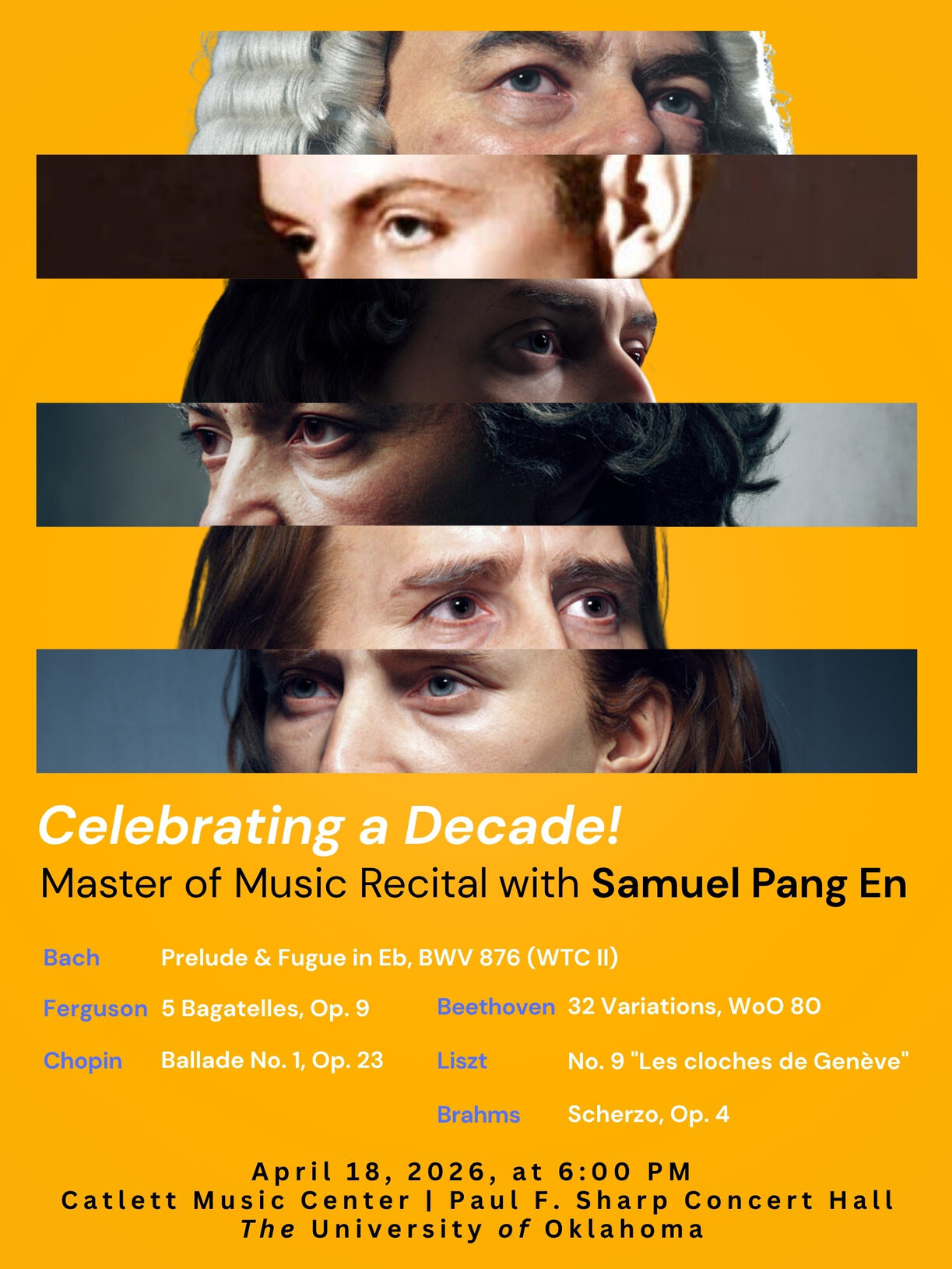
Samuel is a PhD student in Piano Pedagogy and Music Education at the University of Oklahoma (OU)—the first Singaporean to join the lineage of professionals from the renowned piano pedagogy program—where he is mentored by Sara M. Ernst and Jeongwon Ham. He recently earned a Master of Music in Piano Performance and Pedagogy from OU and was awarded the Genevieve Vliet Piano Scholarship and Marjorie Martin Caylor Memorial Scholarship. Additionally, he completed Level 1 training in Music Learning Theory Applications in Early Childhood Music with Joohee Rho & Butch Marshall, and Orff-Schulwerk with Andrea Ostertag, Peta Harper, & Paul Grosse.
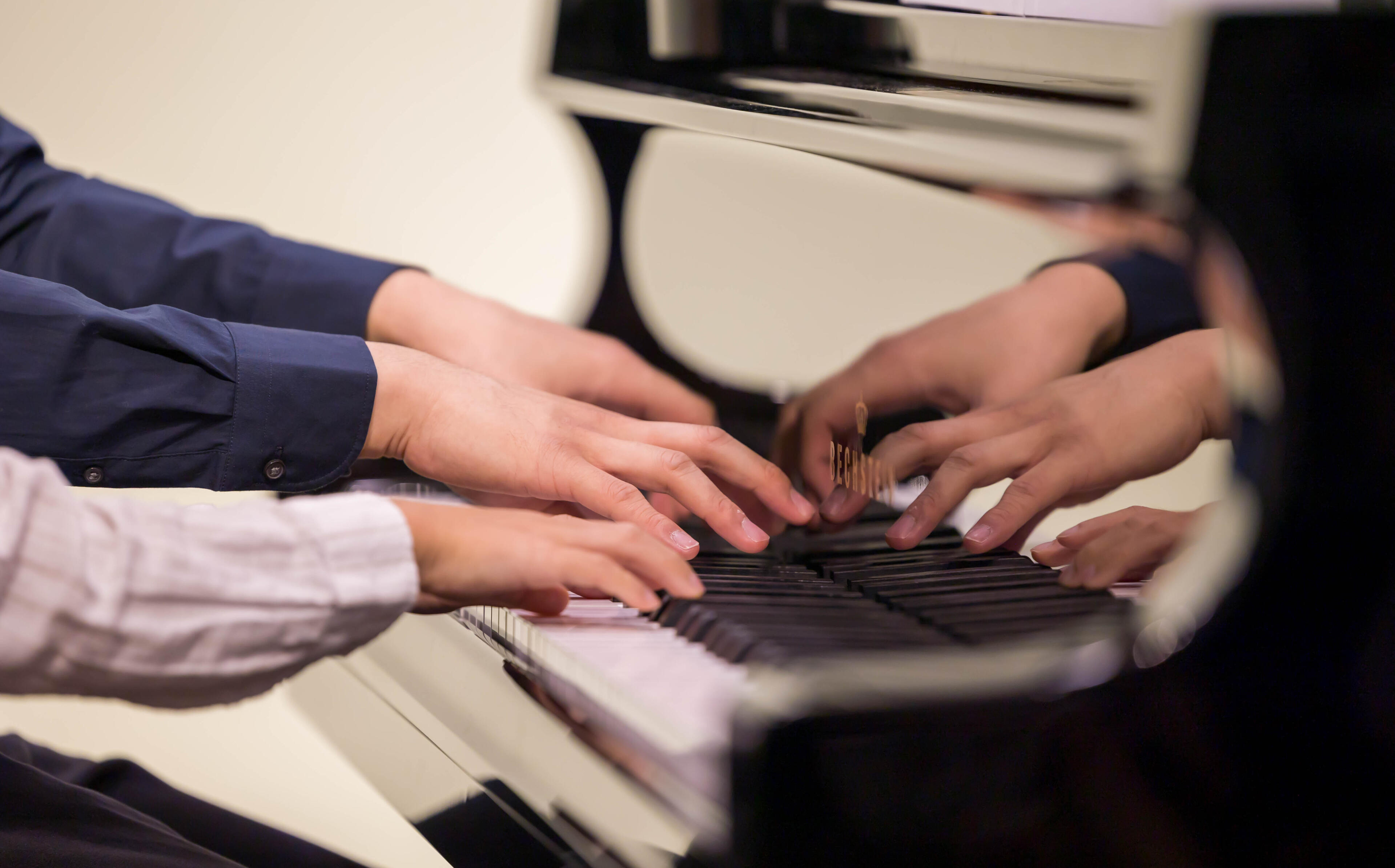
Before arriving in the States, Samuel earned a Bachelor of Education (Piano Pedagogy), 1st class honors from the Royal College of Music, London on the NAFA Scholarship and Shariff-Vaidhya Arts Scholarship at the Nanyang Academy of Fine Arts, where he was subsequently conferred the Best Graduate Award (BEd) and was the first-ever recipient of The NAFA President Award (Degree) in 2024.He studied piano with Kim Bo Kyung, Rena Phua, and Nellie Seng; piano pedagogy with Julie Tan; and research with Rebecca Kan and Miranda Francis. He also received coaching in piano with Hwaen Ch'uqi (Eastman School of Music, NY), Penelope Roskell (Trinity Laban Conservatoire of Music and Dance, London), Richard Uttley (Royal College of Music, London), and Loo Bang Hean (UCSI University, Malaysia).
Academic Education
Doctor of Philosophy, Music Education with an Emphasis in Piano Pedagogy, (current)
University of Oklahoma, US
Master of Music, Piano Performance and Pedagogy, (4.0. GPA),
University of Oklahoma, US
Bachelor of Education, Piano Pedagogy, (First-Class Honours),
Royal College of Music, London (Jointly with Nanyang Academy of Fine Arts, Singapore)
Diploma in Music (Piano Performance),
Nanyang Academy of Fine Arts, Singapore
Professional Training
Music Learning Theory, Early Childhood Music Strand, Level 1
The Gordon Institute for Music Learning
Orff-Shulwerk, Level 1
The Orff-Schulwerk Association of Singapore
Associations and Memberships
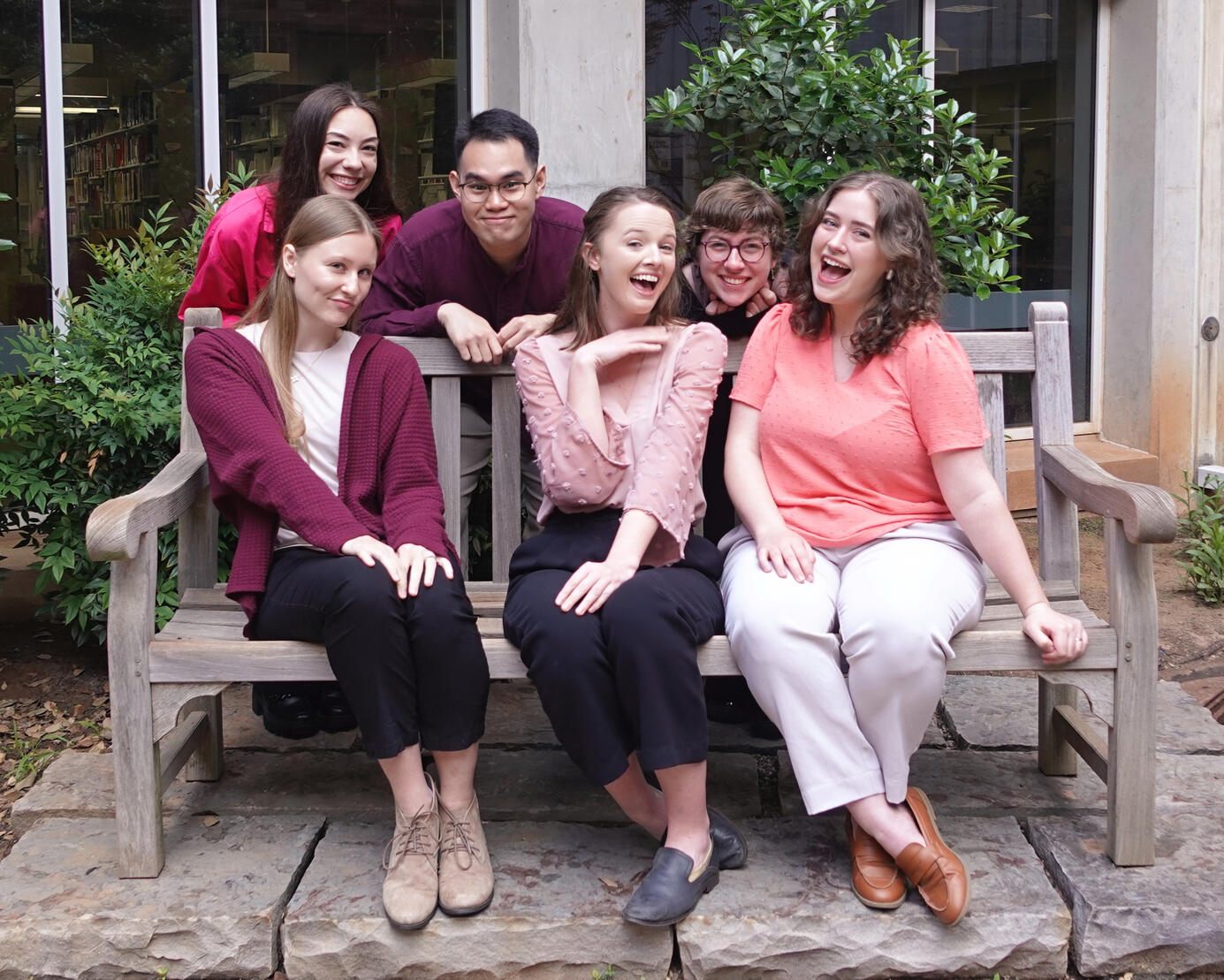
OU MTNA Collegiate Chapter Leadership, 2025-26
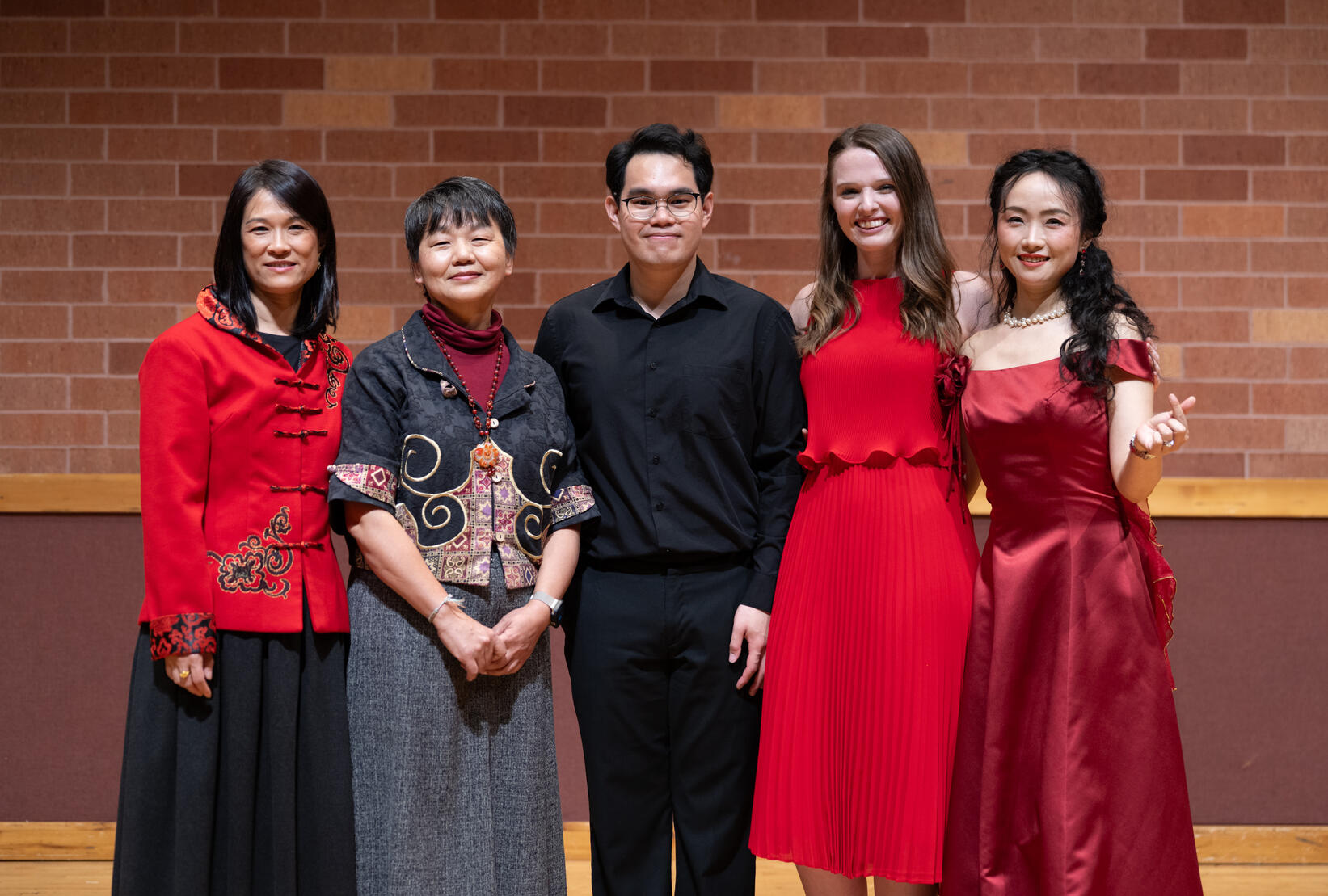
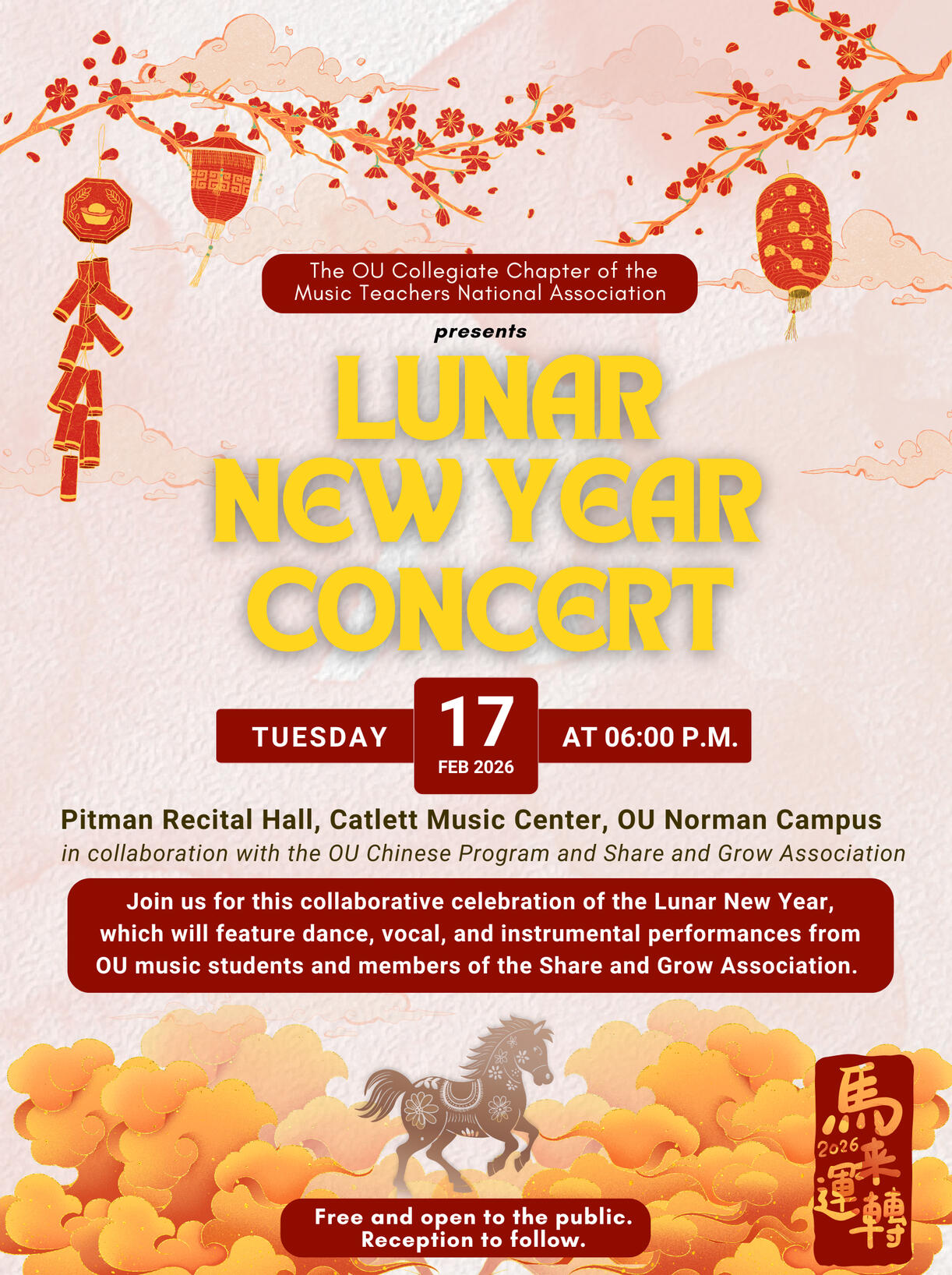
Lunar New Year 2026 Concert in collabration with Share & Grow Association and OU Chinese Program
In the United States, Samuel holds memberships in the National Association for Music Education (US), the Music Teachers National Association (US), and the OU MTNA Collegiate Chapter (OU). He served on the 2025-26 leadership committee of the OU MTNA Collegiate Chapter.In Singapore, he is the founding committee of Singapore International Music & Pedagogy Festival (SIMPeF), where he organizes their biennial SIMPeF Pedagogy Conference. Since 2023, he has also been a member of the Singapore Music Teachers' Association (SMTA).
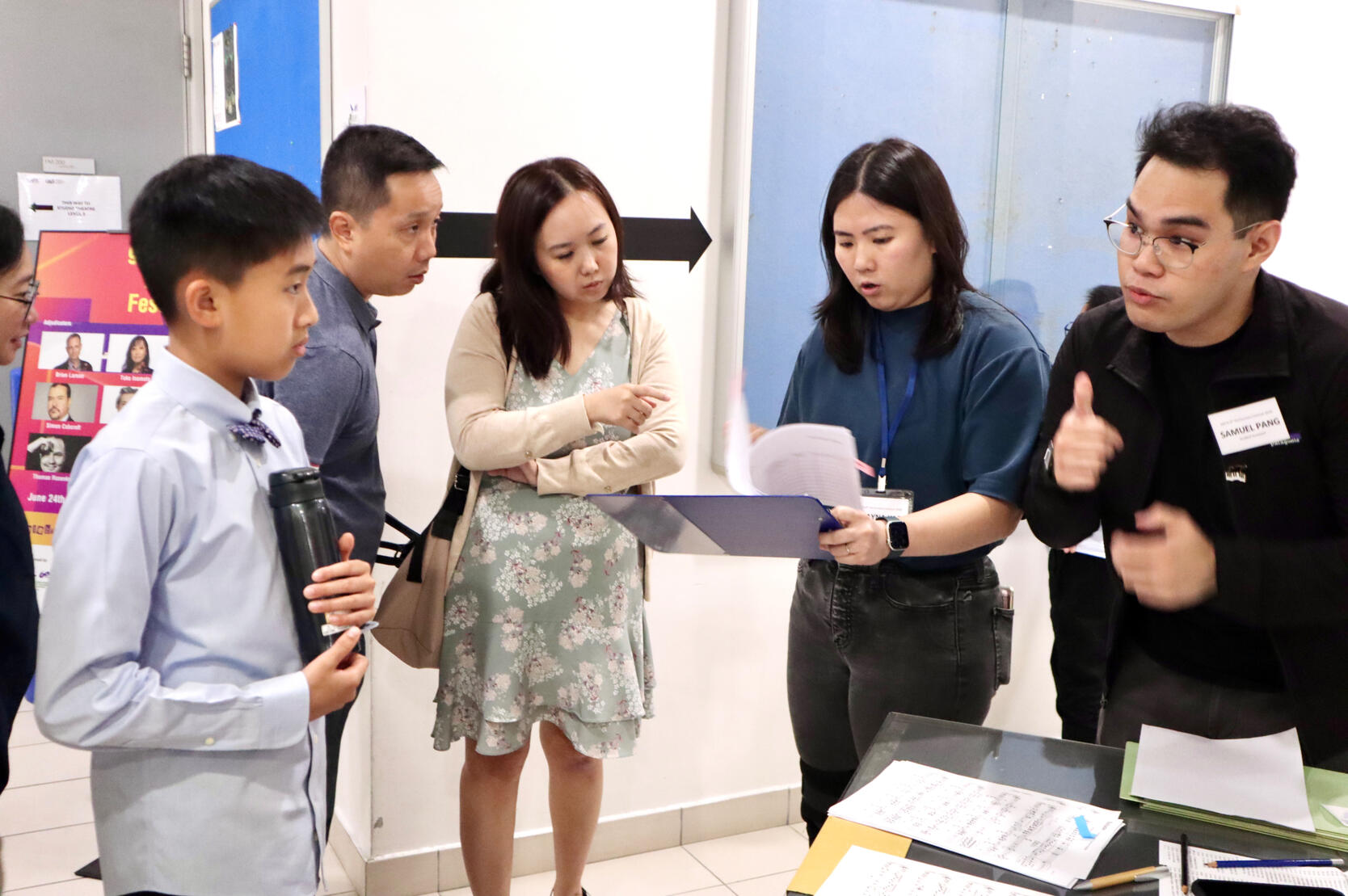
SMTA 9th Singapore Performer’s Festival, June 2026
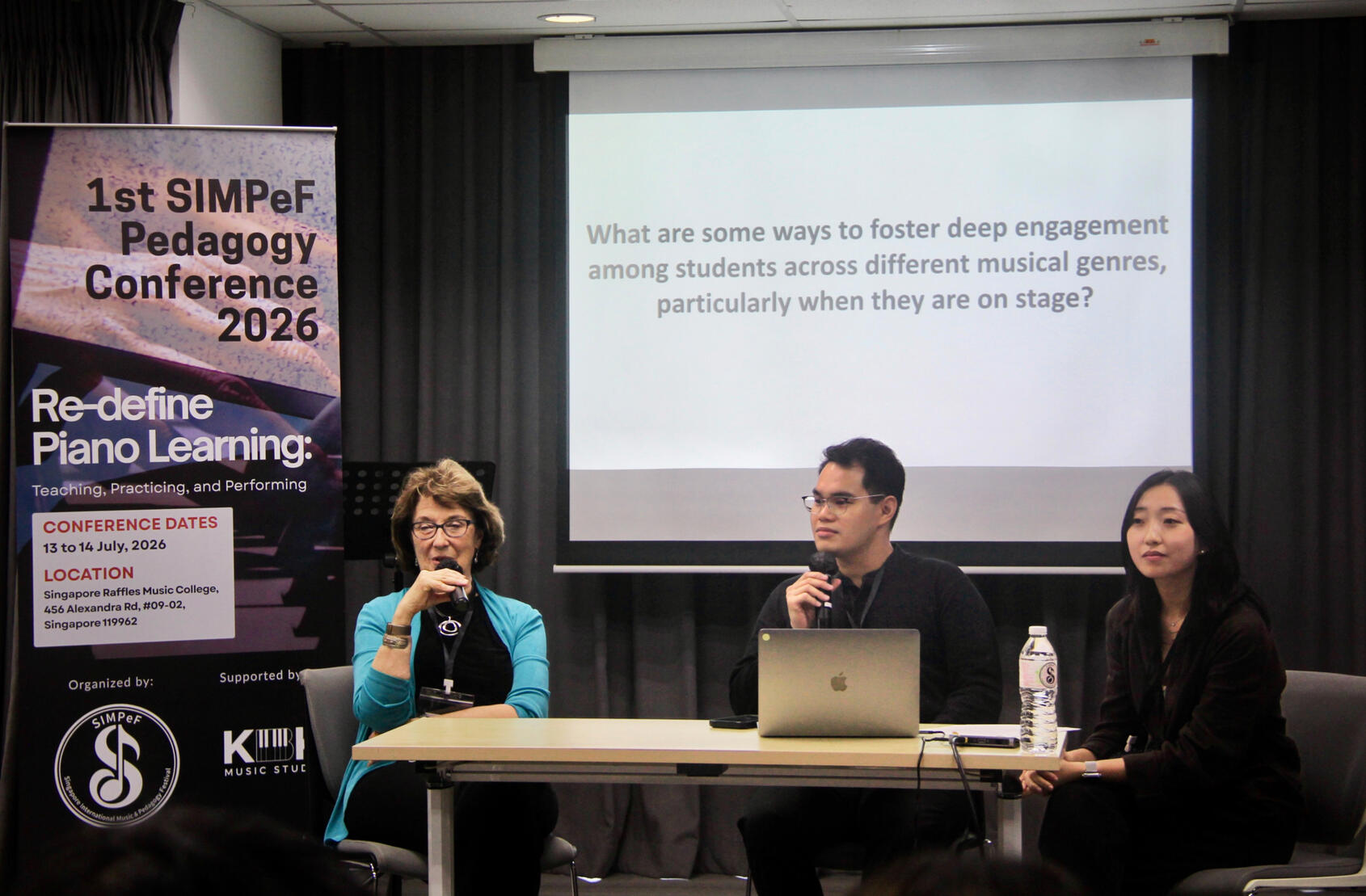
SIMPeF Pedagogy Conference in Singapore, July 2026
Recent Events
Youth Masterclass in Singapore, June 2026
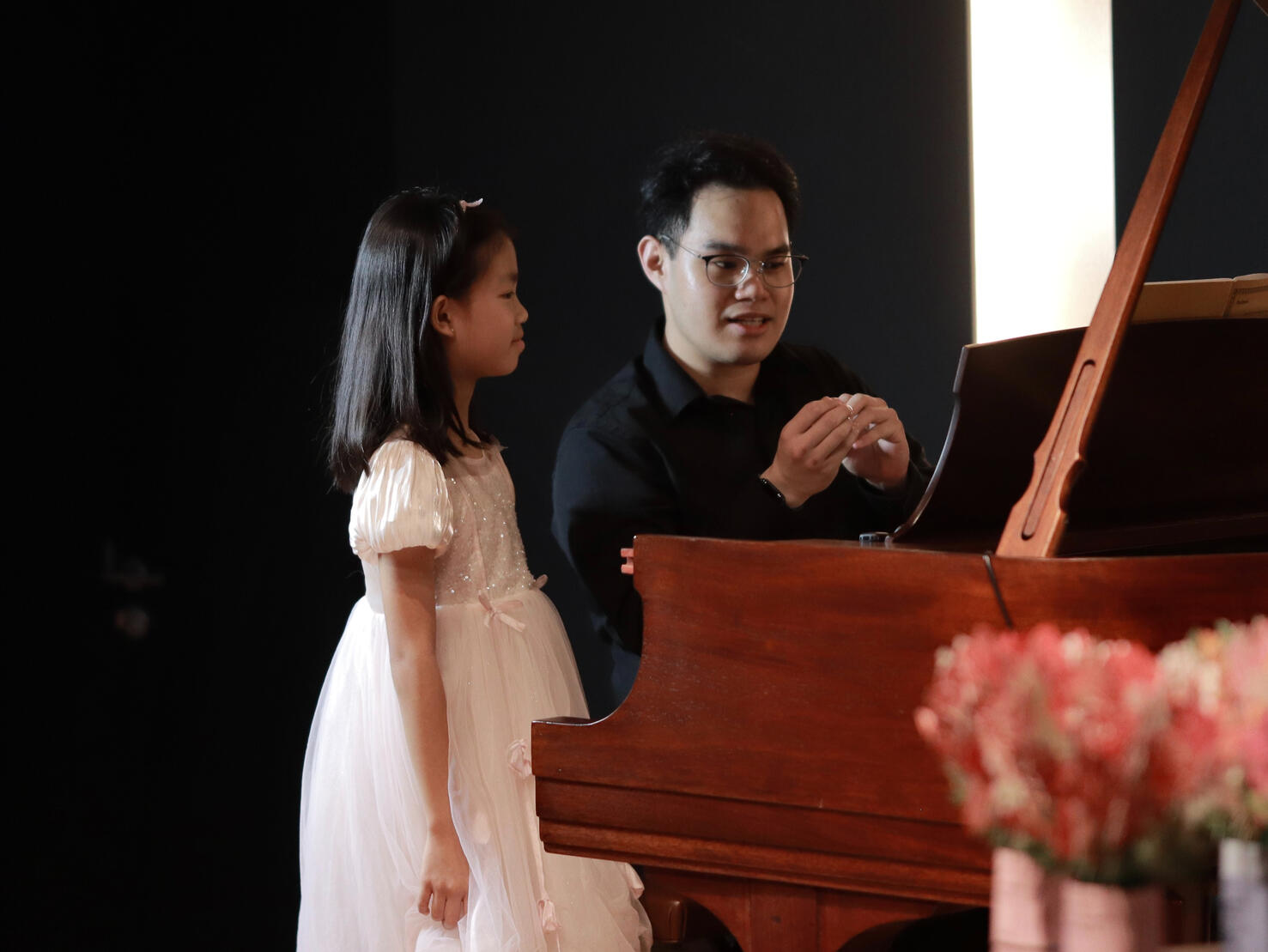
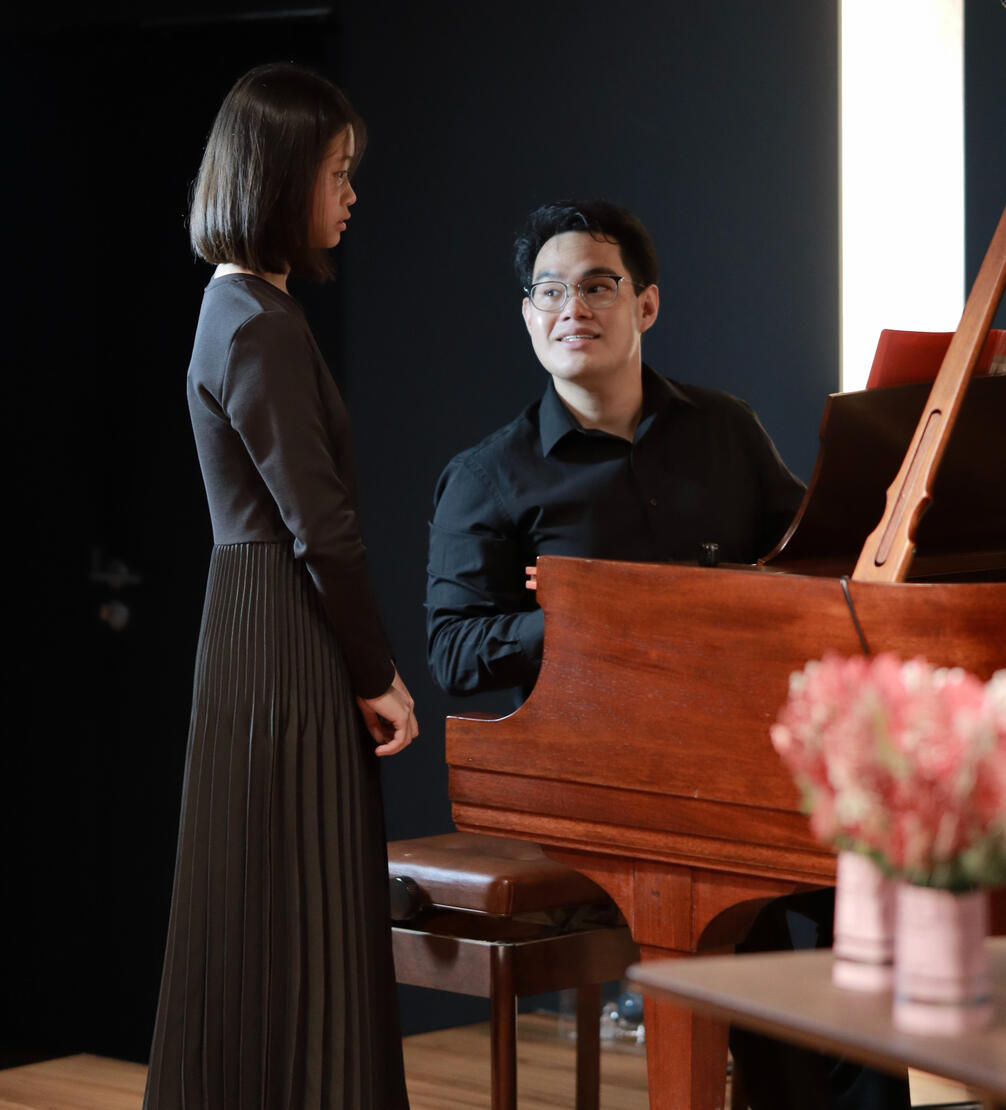
Learn more about Samuel as a Pianist, Educator-Teacher, Researcher, and Clinician below.
Pianist
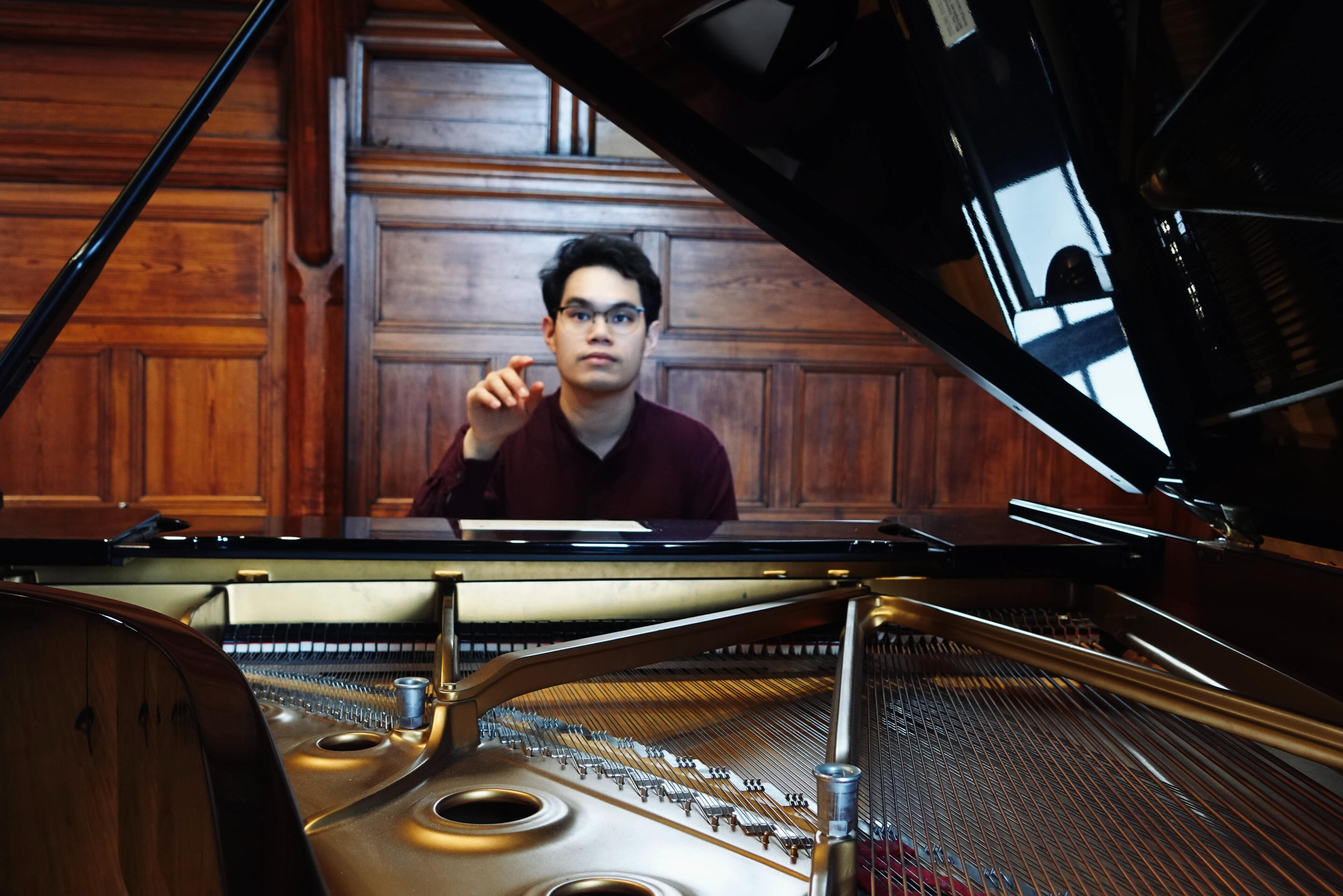
Samuel is a classical pianist whose musical fluency spans a wide range of genres and styles. He is especially committed to exploring Romantic, Neoromantic, and Neoclassical repertoires.He was selected by Ursula Oppens (Distinguished Professor at Mannes School of Music and CUNY Graduate Center in New York City) to receive mentorship after his performance at the Nanyang International Music Competition 2019. Similarly, at the Nanyang International Piano Academy Competition 2019, he was deemed one of the top scorers that year and received mentorship by You Xi (Central Conservatory of Music, Beijing). In 2022, he clinched the Gold Award at the Nanyang International Piano Academy Competition under the Open category. He has also performed in other masterclasses by Lilya Zilberstein (University of Music and Performing Arts Vienna), Claudius Tanski (Mozarteum, Salzburg), Andrjez Pikul (Krzysztof Penderecki Academy of Music in Krakow, Poland), Melody Quah (Penn State University, USA), and Louis Schwizgebel (Leeds International Piano Competition).
Music Educator-
Piano Pedagogue
Whether pre-college, collegiate, or leisure students, Samuel advocates for the holistic development of the musician-instrumentalist. He empowers students to be self-sufficient learners, independent thinkers, and technically able musicians!
Collegiate Teaching
Aural Skills Instructor of Record,
School of Music | University of Oklahoma
MUTH 1612 - Aural Skills 1
MUTH 1622 - Aural Skills 2Music Theory Teaching Assistant,
School of Music | University of Oklahoma
MUTH 1512 - Musical Structures 1
MUTH 1522 - Musical Structures 2
Applied Piano Instructor of Record,
School of Music | University of Oklahoma
PIAN 4000 - Music Major
MUNM 3100 - Non Music Major
MUNM 1100 - Non Music MajorGroup Piano Instructor of Record,
School of Music | University of Oklahoma
MUTE 1311 - Level 1
MUTE 1321 - Level 2
MUTE 2311 - Level 3
MUTE 2321 - Level 4Practice Hour Teaching Assistant,
School of Music | University of Oklahoma
"You always had a way to teach me something I was struggling with, which never failed to help me learn the music I was working on! Overall, I was really happy to have such a personable and effective teacher! - Caleb Brogren (University of Oklahoma, Secondary Applied Piano Student, Music Major-Bassoonist)
"I really enjoy how friendly Samuel is, and how flexible he was. What stood out to me were the days when I wasn't feeling the best; lessons were adjusted to make them more approachable, which ultimately made me feel better afterwards!""I thoroughly enjoyed taking this course! Samuel was not only friendly and attentive, but also knew how to instruct me whenever I was struggling with a specific skill/piece of repertoire."- Anonymous Secondary Applied Piano Students, evaluations by students at the University of Oklahoma
"As someone who started playing piano in college through the group piano classes, I felt like I had a very sparse knowledge of playing technique going into my second year. Samuel gave me a lot of useful practice tips that helped me fill in that space. As a music education major, I appreciate his ability to teach both the basics and intricacies of piano with the same level of detail." - Sam Arcayna (University of Oklahoma, Group Piano Level 3 and 4 Student, Music Major-Clarinetist)"Samuel Pang is not only a fantastic performer, but an inspirational educator. His incorporation of differing techniques while teaching helped each student learn the best of their abilities. I feel that my skills improved drastically and I finally found the meaning and purpose behind the instrument as a music student at OU!" - Molly Mercer (University of Oklahoma, Group Piano Level 4 Student, Music Major-Vocalist)
"Samuel as a teacher is just an amazing guy. Very joyous and always has a smile on his face. He makes it easy to go to class, to have fun and to learn.""Samuel has always hosted a supportive environment in his classes, and is super compassionate, we love him!"- Anonymous Group Piano Class (Level 3 and 4), evaluations by students at the University of Oklahoma
"Samuel was a very kind teacher who motivated his students with compassion and understanding of where they were on their musical journey. I also really appreciated how adaptable Samuel was and how he always had a new comment that could help his students improve their piano skills." - Brandon Castro (University of Oklahoma, Group Piano Level 2 Student, Music Major-Clarinetist)
"Learning from Samuel was amazing! His fun and energetic personality made learning from him enjoyable. I loved his classroom and teaching!" - Alex Vang (University of Oklahoma, Group Piano Level 2 Student, Music Major-Clarinetist)
"Samuel Pang always set aside his time to help students. He prioritized their learning, responded to emails quickly, and broke concepts down into pieces that students could understand. He was very understanding and made learning fun instead of stressful. I fully enjoyed having him as my teacher." - Abby Tucker (University of Oklahoma, Group Piano Level 2 Student, Music Major-Trumpeter)
"Samuel is an excellent teacher who was understanding and did his best to facilitate student learning. Overall, he made learning piano much less stressful and more enjoyable. He did an excellent job explaining concepts and simplifying ideas so that they
could be best understood.""I really enjoyed how well Samuel explained concepts! He would set aside time to help and do his absolute best to make sure the
students were learning and engaged.""This was a great class and I appreciate Samuel's dedication to teaching us piano! He was committed to teaching us whichever way works best, and he is great at listening to feedback in real time. We often gave input on what we needed most help with, and he would eagerly switch teaching plans to accommodate."- Anonymous Group Piano Class (Level 2), evaluations by students at the University of Oklahoma
"Samuel did a great job teaching this course; he always had everyone participate in class discussion, which held everyone accountable.""Samuel was nice and always made us feel like we could ask him for help! The class was structured well, and we never got too off track."- Anonymous Group Piano Class (Level 3 and 4), evaluations by students at the University of Oklahoma
Pre-Collegiate Teaching
"Through music, children gain insight into themselves, into others, and into life itself.
Most importantly, through music, children are better able to develop and sustain their imaginations and unabashed creativity."
- Edwin E. Gordon, From Music Play, Book 1
Instructor
Piano Pedagogy | University of Oklahoma
OU Beginning Piano LabPiano Teacher | StudioEN, Singapore
Beginner-Intermediate PianoSpecialist Instructor | Private Piano School in River Valley, Singapore
Beginner-Early-Advanced Piano
"Thank you Sam for being our teacher. lan really had a different experience with you. You are a lot more patient and you know lan's weakness and find creative ways around it. Thank you so much! " - Candace, Parent of lan (Pre-college Studio Student)"Sam is a great teacher! Very enjoyable lessons and an enriching experience!" - Kalpita (Adult Studio Student)"Truly enjoying my lessons as an adult beginner at this studio. From the first trial lesson with Sam, I already felt it was the perfect fit. He is skilled, knowledgeable, patient, and approachable all in one. Education is taken seriously despite me being an adult beginner and not taking exams, which was a worry of mine that I' glad didn't become an issue. Overall, I am very satisfied." - Ken (Adult Studio Student)
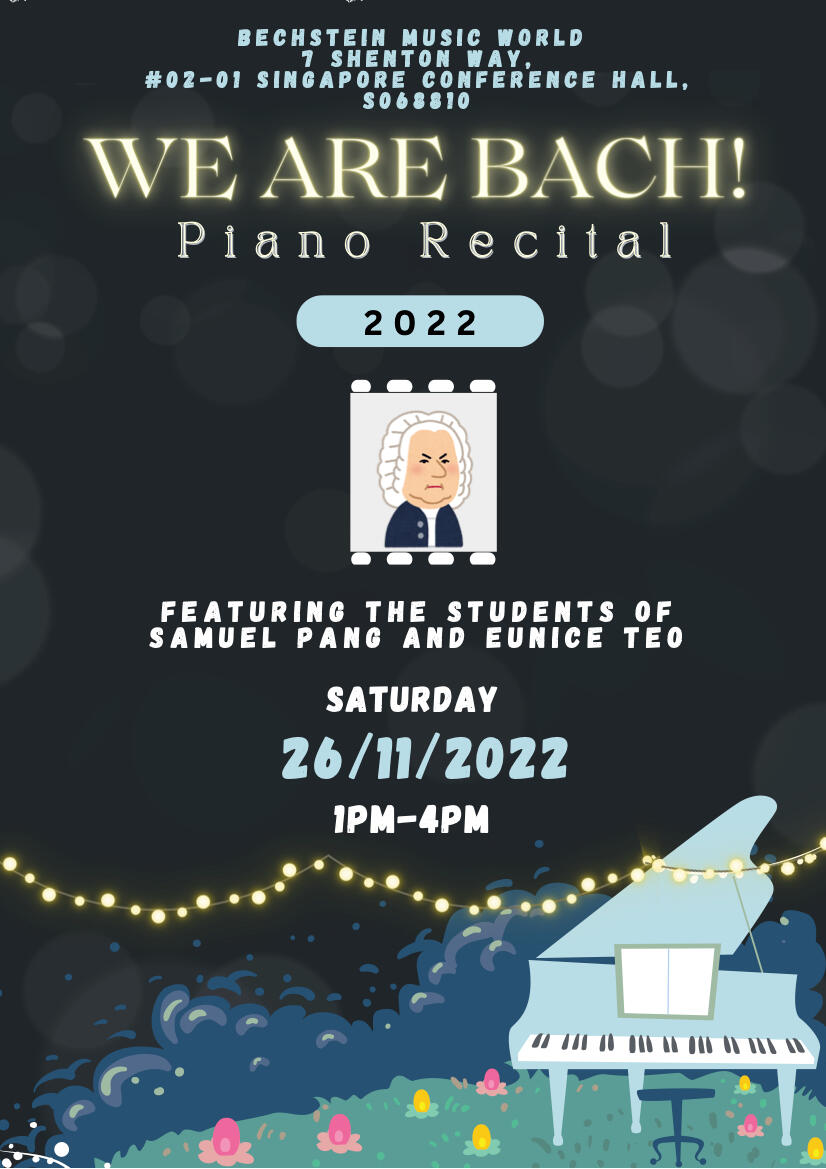
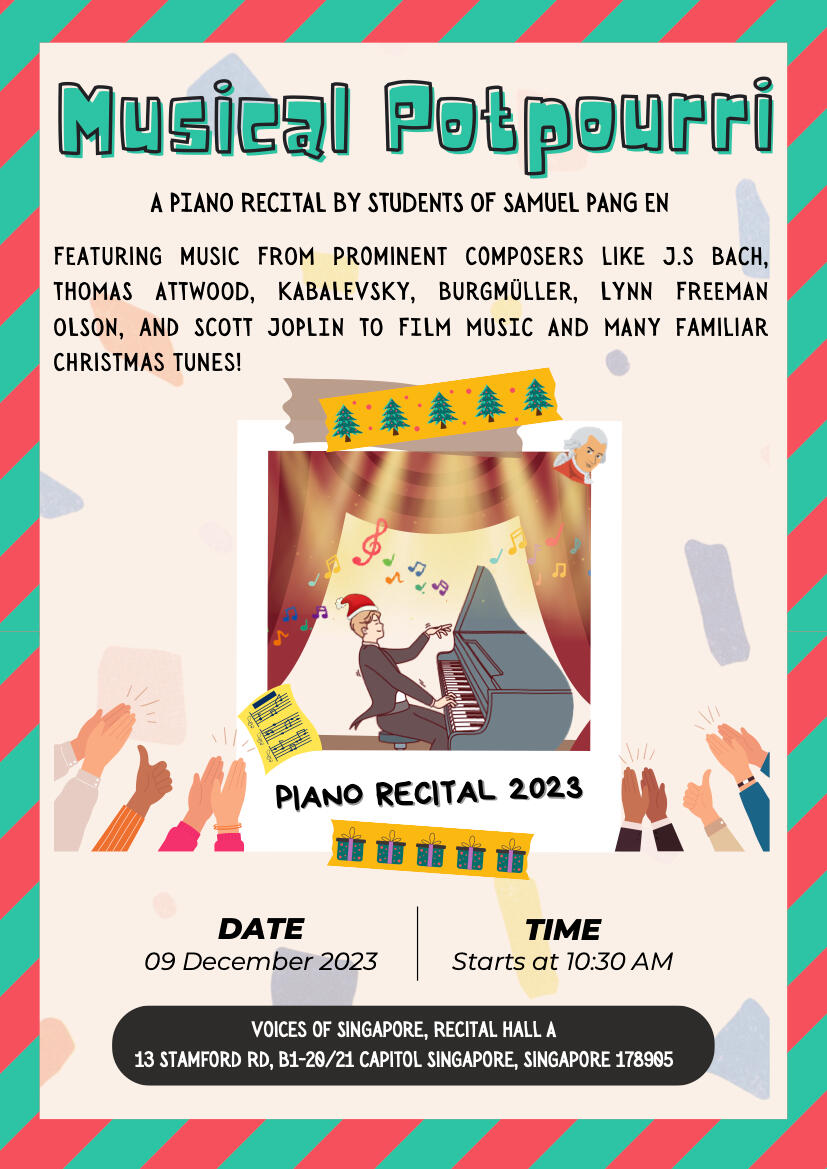
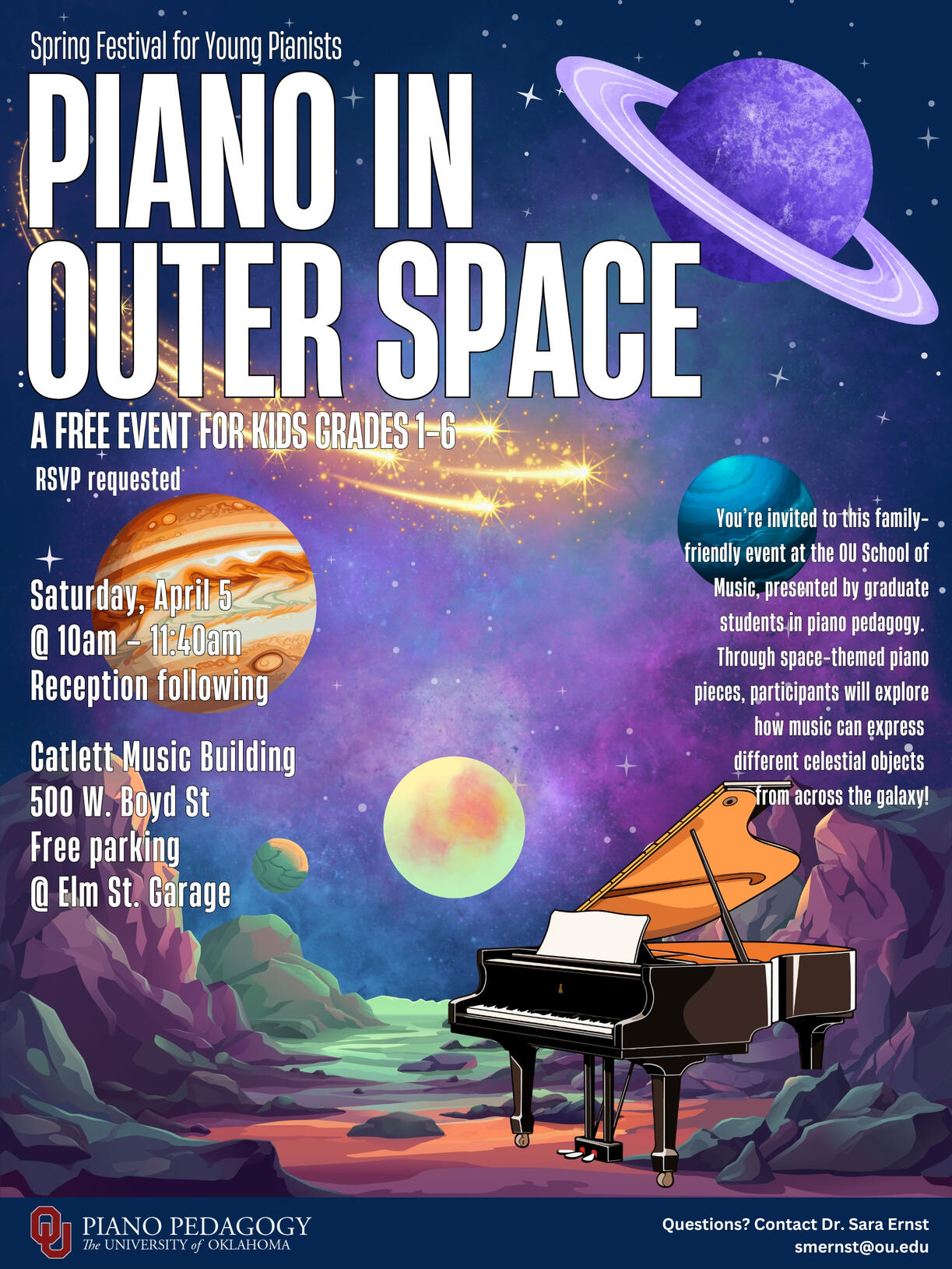
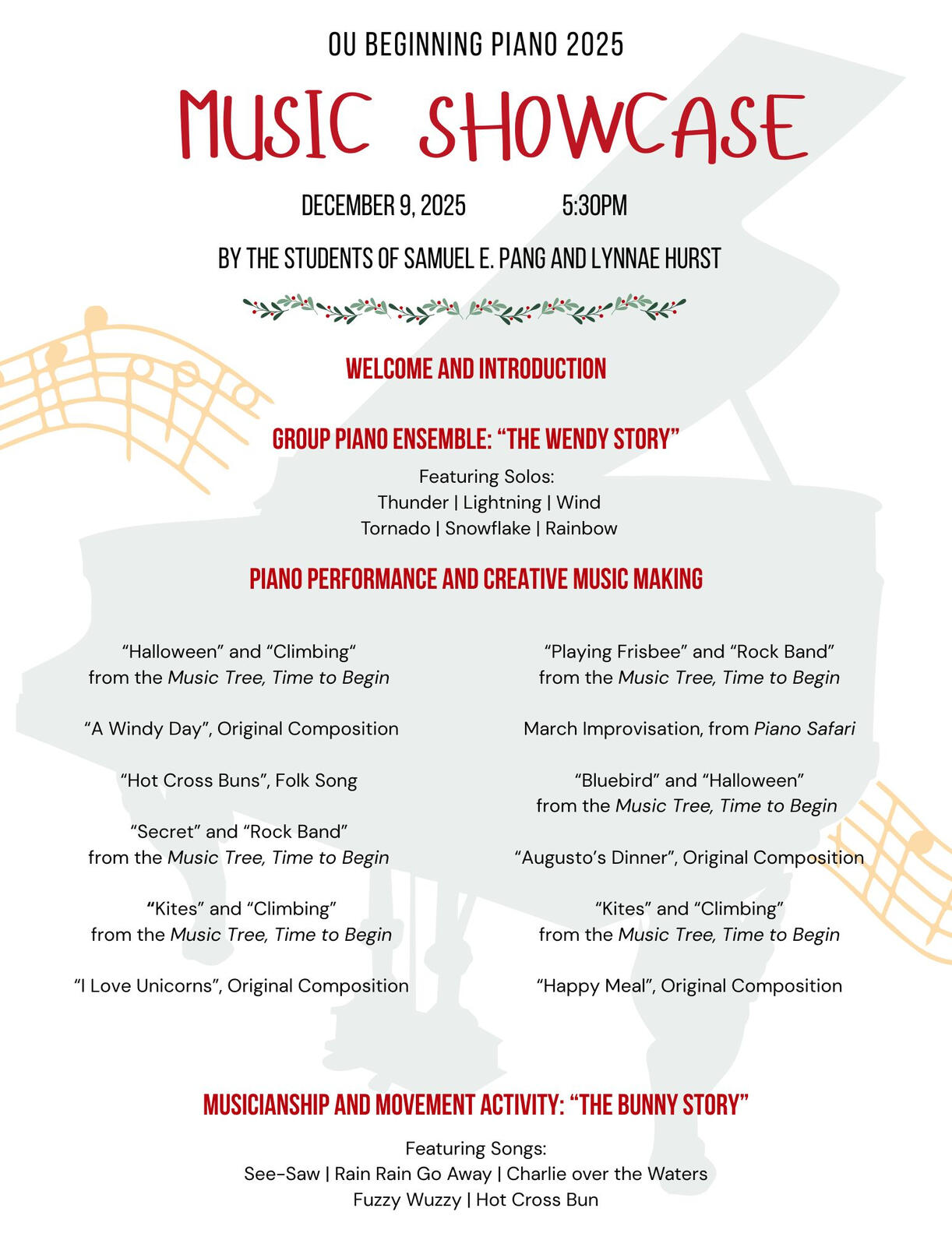
Samuel frequently curates music events for his students and community, celebrating artistry through music-making. Recent highlights are below.
Recent Research
Pang, S.E. (2026). A Glimpse Into Piano Education in Singapore: Perspectives of Piano Studio Teachers. Proceedings of The Piano Conference: NCKP 2025, edited by Sara M. Ernst, The Frances Clark Center, 456-457.
This study aimed to clarify the current state of piano education in Singapore. Three piano teachers participated in the study, providing an hour-long individual interview held through Microsoft Teams. A post-interview review of the transcribed data was carried out on Delve (a qualitative data analysis software), where the collective views were subsequently analyzed thematically. Two themes emerged: 1) Pedagogical Responses for Better Teaching, and 2) Societal and Parental Attitudes as Major Influence. Several suggestions were recommended based on findings to improve piano education in Singapore.
Pang, S.E. (2025). Intersections: Piano Variations and Practice Know-How as Teaching Strategies for Piano Technique Development. MTNA e-Journal, 16(4), 24-25. MTNA e-Journal.
A piano teacher is able to strategically teach through piano variations by leveraging the intersections between technique, music and practice with the demands of intermediate-level studies. At the intermediate level, students transition from method books to standard repertoire, further developing their technique, artistry and interpretative skills. As an alternative, teachers may opt to teach through piano variations. In this novel approach, the piano teacher’s main goal is to shape students into independent, musically thinking and technically proficient pianists over the long term in preparation for advanced-level studies.
Pang, S.E. and Kan, R.Y.P. (2024). Nuances of an In-between Space of Learning Through Auditory Approaches in Early Piano Instruction. Behavioral Sciences, 14(12), 1128 https://doi.org/10.3390/bs14121128.
Musical experiences in early piano instruction tend to be led by visual-based methods, limiting opportunities to develop aural abilities for children to understand music. This study examines the exploratory behaviour of music listening through auditory approaches that support visual-based methods to foster musical comprehension. Drawing from case studies of young music learners between the ages of 7 and 8, qualitative data were collected through lesson observations, interviews, game-based assessments, and performance evaluations of a prepared piece. Positive instances of recall, calibration, association, and empowerment indicated how participants perceived and strengthened the association of heard sounds. The findings further highlight the demanding cognitive ability needed to process visual elements in method books and how auditory approaches can relieve the attention to visual score-reading that enables students to better tune in to the coordination of hands with music. This discussion therefore opens the possibility for exploring how we may uncover nuanced differences in learning when we design teaching methods that straddle both auditory and visual approaches.
Conferences/Presentations
Baumgartner, C.M., Chesbro, C., Seah, A. H. C., Manzano, A., & Pang, S.E. (2026). Supporting International Graduate Music Students: Personal Accounts and Promising Practices. Table Talks: The Sixty-Ninth National Conference. Grand Rapids, Michigan, November.
Pang, S.E. (2026). RACE(ing) towards Musicianship in the Piano Studio: Findings from Two Studies. Poster Presentation. 2026 Biennial NAfME Music Research and Teacher Education Conference, Long Beach, California. September.
Pang. S.E. (2025). A Glimpse Into Piano Education in Singapore: Perspectives of Piano Studio Teachers. Poster Presentation: NCKP 2025: The Piano Conference. Virtual. June.
Kalhammer, K., Hurst. L., and Pang, S.E. (2025). Designing Interactive Piano Events for the Community: Observations from Two Approaches. Presentation. Collegiate Connections. NCKP 2025: The Piano Conference. Virtual. June.
Pang. S.E. (2025). Aural Abilities in Sight-reading: A Literature Review. Poster Presentation: 2025 Oklahoma Music Teachers Association State Conference, Stillwater, Oklahoma. May. ResearchGate.
Pang. S.E. (2025). A Glimpse Into Piano Education in Singapore: Perspectives of Piano Studio Teachers. Poster Presentation: The 14th International Conference for Research in Music Education (RiME), Virtual, April.
Pang. S.E. (2025). Intersections: Piano Variations and Practice Know-How as Teaching Strategies for Piano Technique Development. Poster Presentation: The 14th MTNA Collegiate Chapter Symposium, Norman, Oklahoma, January.
Pang. S.E. (2023). Playing the Classical Period Repertoires: How Historical Context & Musical Contents informs the Applications of Technique & Touch. Lecture Recital: The 3rd UCSI Piano Pedagogy Conference, Malaysia, Kuala Lumpur, November.
Clinician Work
Aural Development in Your Piano Studio: Why it Matters and How to Approach
Piano teachers! Envision your students having access to a mental sound bank and strong aural skills that enable them to recall music to guide their learning, connect music with interdisciplinary ideas to express their musical understanding, monitor their own performance, and even feel empowered to sight-read music well or make music independently without your guidance. Aural development is a cornerstone of piano education, yet it is often overlooked or insufficiently emphasized in lessons and practice regimens. Rather than seeing it only as ear training, I invite you to think of it as an aural pathway for teaching music notation, concepts, and repertoire! In this session, you will be equipped with three sound-first approaches to foster aural development in your piano studio!
Playing the Classical Period Repertoires: How Historical Context and Musical Contents Informs the Applications of Technique and Touch
This session focuses on the application of technique and touch, employing a teaching approach that values the consideration of historical context and musical content. An overview of the distinctions in fortepianos' anatomy and techniques, and how contextual awareness contributes to a basic understanding of the Classical style. The immediate result of this is an enriched learning experience for the piano student; over the long term, it fosters students into thinking pianists, empowering them to make well-informed musical decisions.
Leveraging the Intersections in Piano Variations
This session illuminates how piano variations are not just works of musical value but also great pedagogical repertoire for developing intermediate-level technique and smart practice strategies when students venture into canonic pieces. The intersectional approach complements the common teaching goal of developing students' musicality, technical, and cognitive abilities effectively and efficiently.
© Samuel Pang En. 2026. All rights reserved